Newborn Antibodies To Sarscov2 Detected In Cord Blood After
Why Parents Should Save Their Babys Cord Blood And Give It
See more videos for newborn cord blood. Apr 14, 2021 donating cord blood to a public cord blood bank involves talking with your doctor or midwife about your decision to donate and then calling a cord . The blood left over in the umbilical cord and placenta after a baby is born has special cells in it that can treat and even cure some serious diseases. the blood can be collected and stored — and that’s what many private cord blood banking companies encourage parents to do, in case their child (or someone else in the family) develops one of. When your baby is born, this cord is clamped and cut, leaving a small remaining bit of cord at your newborn’s abdomen. this is called the umbilical stump. while rare, it’s possible for the newborn cord blood stump to.
About cord-blood banking. cord-blood banking basically means collecting and storing the blood from within the umbilical cord (the part of the placenta that delivers nutrients to a fetus) after a baby is born. cord blood contains blood-forming stem cells, which are potentially useful for treating diseases that require stem cell transplants, such. Igg cord blood antibodies were detected to sars-cov-2 newborn cord blood at the time of birth. conclusion: here, we report the first known case of an infant with sars-cov-2 igg antibodies detectable in cord blood after maternal vaccination.
If you have difficulty stopping your baby’s umbilical cord from bleeding or the blood is more than a few drops, you may want to call your baby’s doctor. this bleeding could indicate an infection. More newborn cord blood images. Find baby cord blood. search a wide range of information from across the web with justfindinfo. com.
Newborn Cord Blood Gases Nursing Review Video
Cord anomalies: most umbilical cord anomalies do not harm the baby. there are several known cord anomalies that can affect umbilical cord blood gas values including a knot in the cord, an umbilical cord twisted around the fetus' body parts (eg neck, limbs), a single umbilical artery, vasa previa, umbilical cord cysts. Cord blood is approved only for use in “hematopoietic stem cell transplantation” procedures, which are done in patients with disorders affecting the hematopoietic (blood forming) system. cord blood contains blood-forming stem cells that can be used in the treatment of patients with blood cancers such as leukemias and lymphomas, as well as certain disorders of the blood and immune systems, such as sickle cell disease and wiskott-aldrich syndrome. “cord blood is useful because it is a source of stem cells that form into blood cells. cord blood can be used for transplantation in people who need regeneration, that is, ‘regrowth,’ of these blood-forming cells,” wonnacott says. for instance, in many cancer patients, the disease is found in the blood cells. chemotherapy treatment of these patients kills both cancer cells and the healthy blood-forming stem cells. transplanted stem cells from cord blood can help regrow the healthy blood cells after the chemotherapy. however, cord blood is no
Newborn Antibodies To Sarscov2 Detected In Cord Blood After
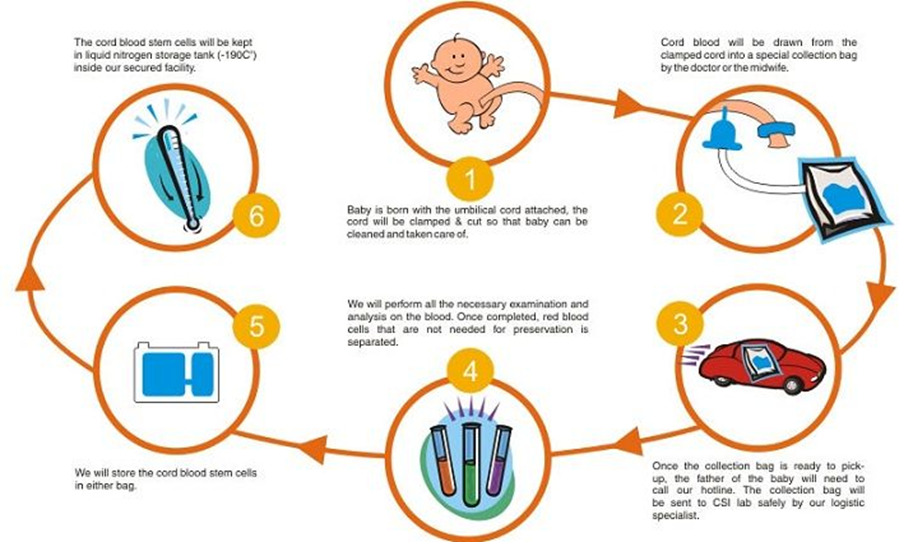
If you want the blood stored, after the birth, the doctor clamps the umbilical cord in two places, about 10 inches apart, and cuts the cord, separating mother from baby. then they insert a needle. After cord blood is collected, it is frozen and can be safely stored for many years. “the method of freezing, called ‘cryopreservation,’ is very important to maintain the integrity of the cells,” wonnacott says. “cord blood needs to be stored carefully. ” you may choose to store your baby’s cord blood in a private bank so it can be newborn cord blood available if needed in the future by your child or firstor second-degree relatives. private cord banks typically charge fees for blood collection and storage. or you may donate the cord blood to a public bank so that doctors can use for a patient who needs a hematopoietic stem cell transplant. fda regulates cord blood in different ways, depending on the source, level of processing and intended use. cord blood stored for personal use, for use in firstor second-degree relatives, and that also meets other criteria in fda’s regulations, does not require the agency’s approval before use. private cord banks must still comply with other fda requirements, incl
Cord blood is collected by your obstetrician–gynecologist (ob-gyn) or the staff at the hospital where you give birth. after the baby is born, the umbilical cord is cut . Cord blood: after your baby is born, your medical professional will clamp and cut the umbilical cord. after thoroughly cleaning the cord, a needle will used to collect .
If you’re considering donating to a cord blood bank, you should look into your options during your pregnancy to have enough time to decide before your baby is born. for public banking, ask whether your delivery hospital participates in a cord blood banking program. if you have questions about collection procedures and risks, or about the donation process, ask your health care provider. fda also offers a searchable databasethat maintains information on registered cord blood banks. be skeptical of claims that cord blood newborn cord blood is a miracle cure—it is not. some parents may consider using a private bank as a form of “insurance” against future illness. but remember that, currently, the only approved use of cord blood is for treatment of blood-related illnesses. also know that in some cases your stored cord blood may not be suitable for use in the child who donated it. “for instance, you can’t cure some diseases or genetic defects with cord blood that contains the same disease or defect,” karand Preserve the possibilities in your baby's cord blood. cord blood stem cells have awesome abilities. that’s why they’ve been used for more than thirty years to help regenerate healthy blood and immune systems worldwide. and when you preserve these powerful cells, you protect them from aging, locking in their unique advantages.
Baby Cord Bank
Find baby cord blood. search a wide range of information from across the web with websearch101. com. 5 days ago cord blood banking is storing the stem cells in umbilical cord blood. the cord blood is collected after the baby is born and after any delayed .

Newborn cord blood gases. welcome to this video on newborn cord blood gases. umbilical cord blood gas is the most objective way to assess a newborn’s metabolic condition at birth. it is recommended in all high-risk deliveries, including intrapartum fever (temp >100. 4), cesarean section for fetal compromise, severe growth restriction, abnormal. Igg cord blood antibodies were detected to sars-cov-2 at the time of birth. See full list on fda. gov.
Umbilical cord blood is the blood in the umbilical cord after your baby's cord is cut. cord blood is rich in stem cells, and some women decide to save their baby's . Cord-blood banking basically means collecting and storing the blood from within the umbilical cord (the part of the placenta that delivers nutrients to a fetus) after a baby is born. During the healing process, it's normal to see a little blood near the stump. much like a scab, the cord stump might bleed a little when it falls off. however, contact . July is national cord blood awareness month, and it’s the perfect time to learn more about cord blood—a biological product regulated by the food and drug administration. found in the blood vessels.



0 comments:
Post a Comment