List of pros of fetal stem cell research 1. treat a range of medical problems. success in stem cell research could mean the end of certain diseases, especially 2. significant social benefits. people born with birth defects, suffering from spinal cord injury, alzheimer’s disease 3. provides. The use of human fetal tissue and embryonic stem cells in medicine and research has led to many advances through an improved understanding of congenital abnormalities and human disease development. this research has enabled the use of stem cells lines (cell cultures that can be grown indefinitely in the laboratory) and humanised mice to provide insights into human diseases. therefore. Opponents argue that the research is unethical, because deriving the stem cells destroys the blastocyst, an unimplanted human embryo at the sixth to eighth day of .
Fetal Stem Cells Pubmed
Research with embryonic stem cells may lead to new, more effective treatments for serious human ailments and alleviate the suffering of thousands of people. In the case of embryonic stem cell research, it is impossible to respect both moral principles. to obtain embryonic stem cells, the early embryo has to be destroyed. Fetal tissue is uniquely adaptable and useful for many types of scientific inquiry. "so for example if you're trying to make a kidney from stem cells you'd like to know that as the cells begin.
New launch cell regeneration an open access, peer-reviewed journal. provides a worldwide platform for researchers on stem cells and fetal stem cell research regenerative biology. Stem cells are present in all of our bodies and for the entirety of our existence. but its potency is higher in a fetus than in an adult body, resulting in fetal stem cell research. the negative and positive effects it would have on a fetus led to a heated debate about embryonic stem cell research, as it is also called. The center for human embryonic stem cell research and education is an integral component program within the stanford university institute for stem cell . Jul 17, 2015 a source of stem cells cells from embryos and very early fetuses have properties that fully developed cells do not. what most researchers are .
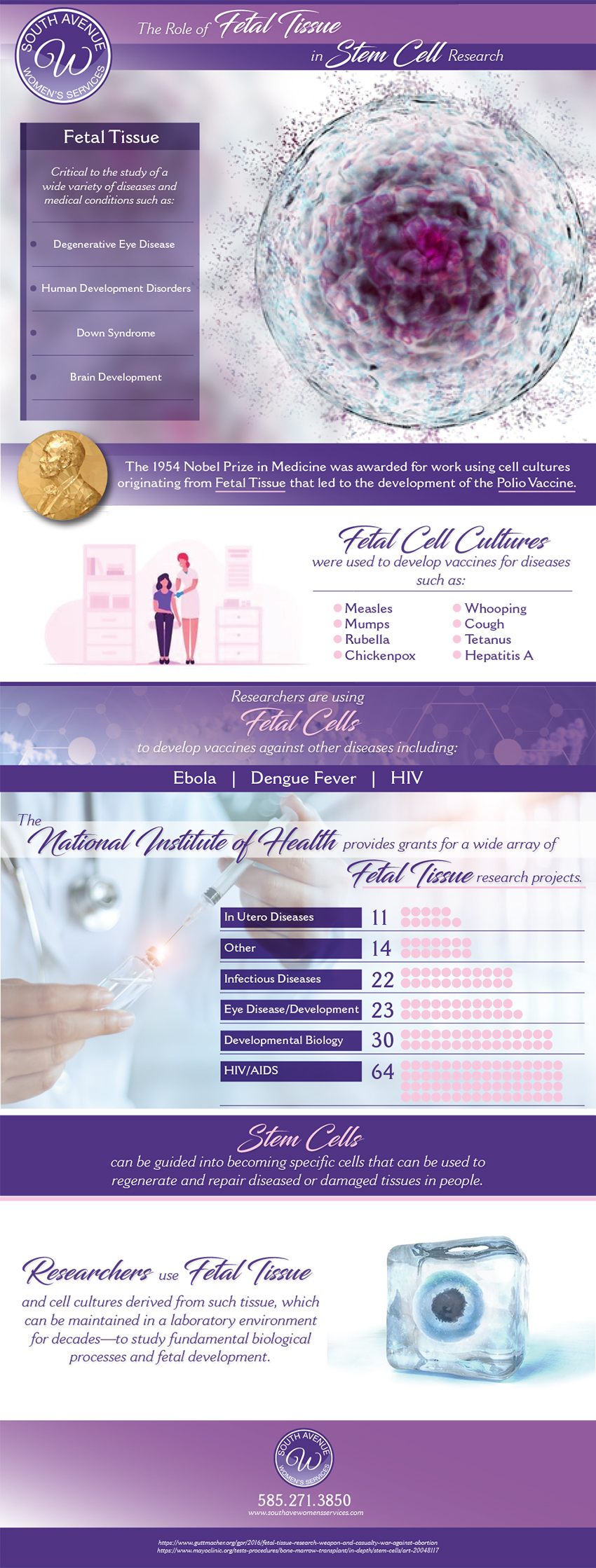
Search for clinical research on our web now. find clinical research now. relevant information at life123. com!. May 22, 2002 starting in 1973, shortly after the supreme court's roe v. wade decision, which legalized abortions, the us government banned use of federal . Certain vaccines, including those for polio, measles, chickenpox, and rabies, were also developed with the use of stem cells derived from human fetal tissue. (despite this,.
How fetal tissue is used for medicine fetal tissue has been used since the 1930s for vaccine development, and more recently to help advance stem cell research and treatments for degenerative diseases such as parkinson’s disease. Fetal stem cell stem cell research. fetal stem cells were first isolated and cultured by john gearhart and his team at the johns hopkins fetal tissues. fetal stem cells are not a new concept and in fact they have been in clinical use over the past 20 years, fetal tissues. fetal stem cells are. Fetal stem cell research may ethically resemble either adult or embryonic stem cell research and must be evaluated accordingly. if fetal stem cells are obtained fetal stem cell research from miscarried or stillborn fetuses, or if it is possible to remove them from fetuses still alive in the womb without harming the fetuses, then no harm is done to the donor and such. Fetal scalps and back flesh grafted onto rats and mice was grafted onto rodents while simultaneously co-engrafting the same fetus’s lymphoid tissues and hematopoietic stem cells from the.
Fetal stem cells can be isolated from fetal blood and bone marrow as well as from other fetal tissues, including liver and kidney. fetal blood is a rich source of haemopoietic stem cells (hsc), which proliferate more rapidly than those in cord blood or adult bone marrow. Fetal stem cells, such as amniotic fluid and primitive stem cells (such as placenta-derived stem cells), showed promise for future clinical applications [47,48]. these cells can develop into cells from the endoderm, mesoderm, and ectoderm and can be maintained for over 250 population doubling (pd).
Biden Administration Reverses Trump Fetal Tissue Research
Embryo and stem cell research in the united states: history and.
For decades, prolife people have opposed developing new cell lines or using the tissue of aborted babies. many people will try to justify abortion and the further trafficking of fetal tissue with the “promise” of saved lives. however, whether it is with stem cells or vaccines, there is always an ethical alternative or the ability to create. Fetal stem cells can be isolated from fetal blood and bone marrow as well as from other fetal tissues, including liver and kidney. fetal blood is a rich source of haemopoietic stem cells (hsc), which proliferate more rapidly than those in cord blood or adult bone marrow. first trimester fetal blood also contains a population of non-haemopoietic mesenchymal stem cells (msc), which support haemopoiesis and can differentiate along multiple lineages. Personalized regenerative medicine. stem cell rejuvication in costa rica. start now. discover more about cultured and expanded stem cells and what your options are. start now. Are virtual clinical trials better? how feasible are they? find answers to these questions. improve subject retention by offering an alternative to clinic visits.


An Overview Of Stem Cell Research The Center For Bioethics

Dec 31, 2020 scientists have gained a lot of knowledge over the years from embryonic stem cell research that has led to groundbreaking discoveries on how . Fetal stem cell research may ethically resemble either adult or embryonic stem cell research fetal stem cell research and must be evaluated accordingly.
There are no ethical or moral concerns with the appropriate use of adult stem cells. however, human embryonic stem cell (hesc) research is unethical since it . Since stem cells are capable of developing into any kind of human tissue or organ, this was a great scientific coup. researchers envision using the cells to replace damaged organs and to restore tissue destroyed by, for example, parkinson's disease, diabetes, or even alzheimer's. but, since stem cells are taken from aborted embryonic and fetal tissue or "leftover" in vitro embryos, their use raises large ethical issues.


0 comments:
Post a Comment